 WEIFENG

Engineering & Manufacturing Capabilities
Engineering Support for Precision Manufacturing
Weifeng brings design, simulation and process engineering together to support liquid cooling and precision component programs. Our engineering teams work with customers on design optimization, manufacturing feasibility and production readiness.
Discuss Your ProjectR&D engineers support material engineering, thermal solutions and structural design. Process engineers develop tooling, optimize CNC operations and integrate automation. Quality and NPI teams coordinate validation, reliability and the transition to mass production.
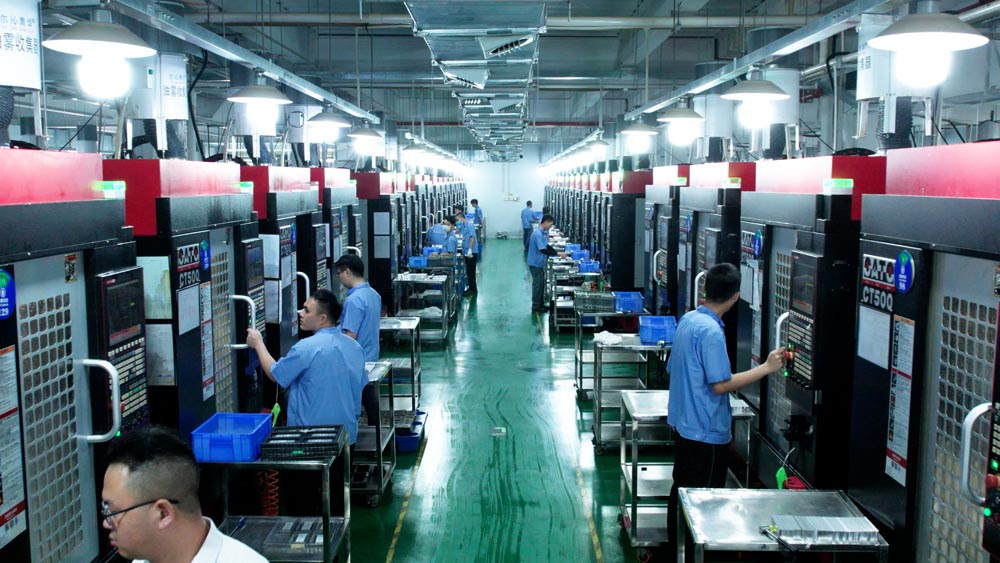
CNC Machining Center
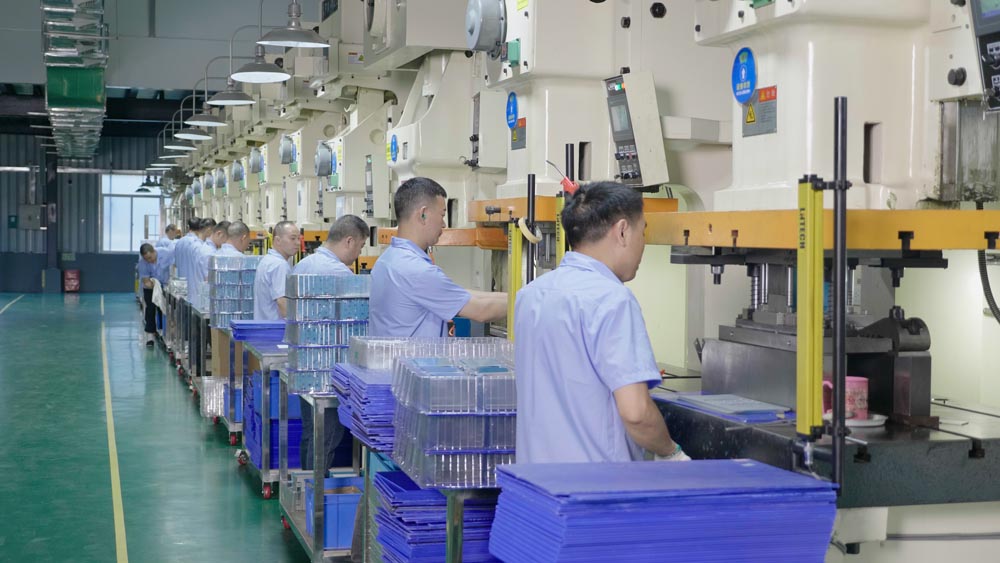
Metal Stamping Line
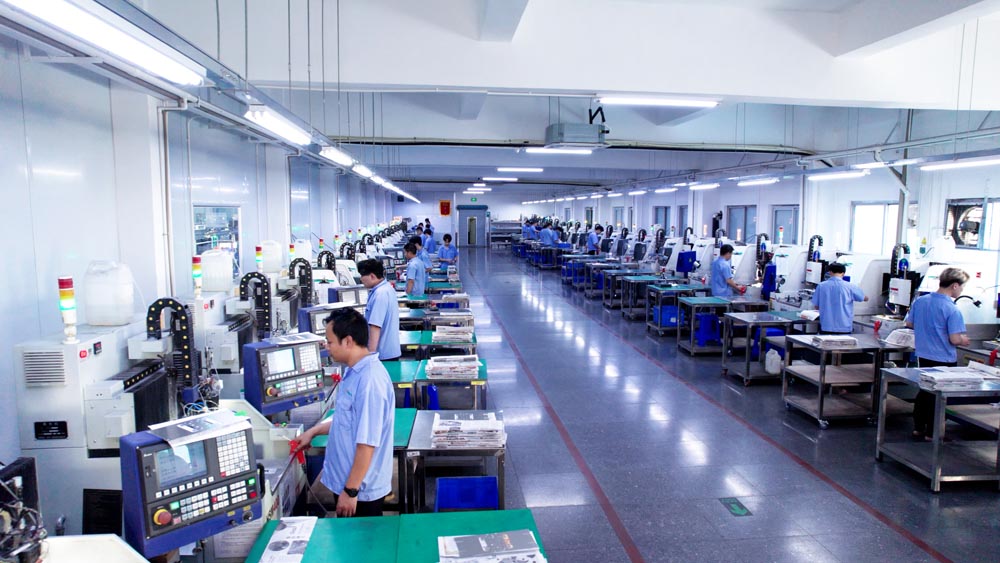
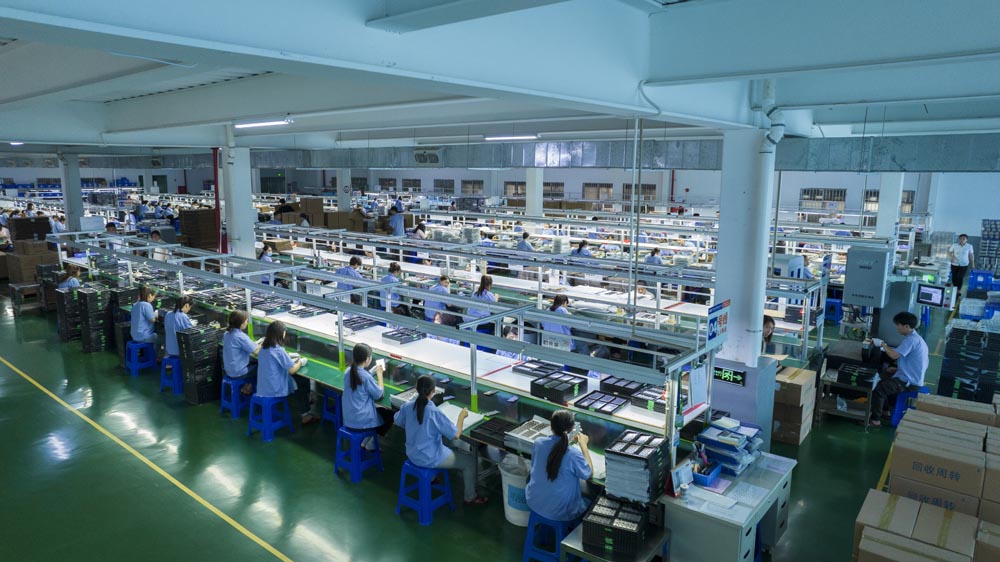
Precision Production Workshop
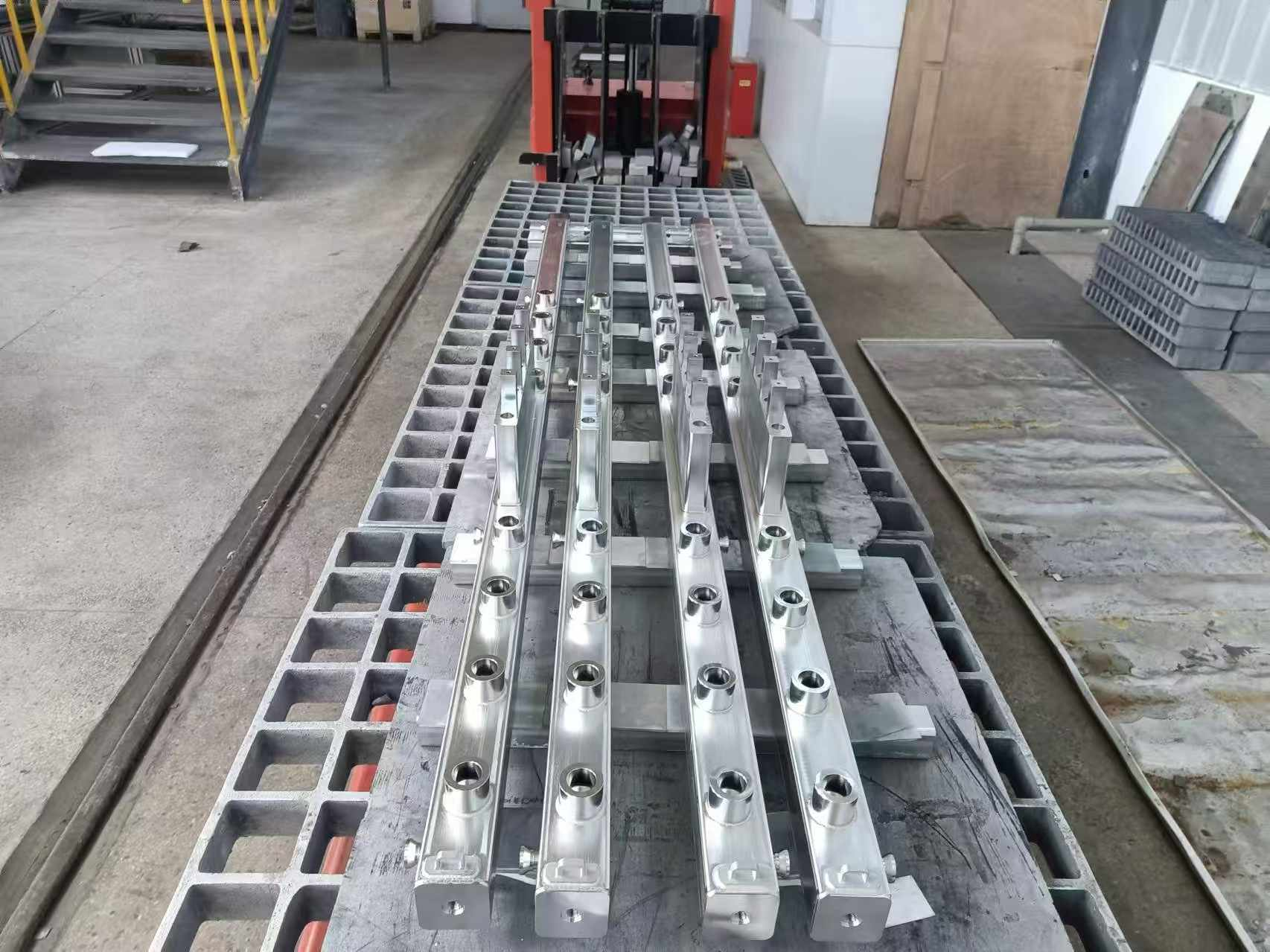
Liquid Cooling Production
A 1,900 m² R&D Center
Weifeng collaborates with universities in the United States and China to advance liquid cooling component technologies for supercomputing. Our R&D team participates in customers’ early design work, supported by an integrated CAE digital design platform.
Solution design & verification
3D modeling, digital simulation and gravity analysis support solution design. Design validation includes reliability verification, dynamic testing and structural convergence analysis.
Research & continuous improvement
Performance testing, enhanced chemical testing and environmental reliability testing inform failure mechanism research, design standard development and continuous optimization.
Evaluate the design before production
Early engineering collaboration helps identify material, geometry and assembly constraints before tooling decisions. CAE analysis supports design review alongside prototype testing.
Share drawings, operating conditions and acceptance criteria to define the analysis scope for your component.
Design for manufacturing & assembly
Review component geometry, material selection, mating interfaces and assembly requirements. Use 3D models to identify manufacturing constraints and discuss design changes.
Thermal & fluid analysis
Evaluate thermal and fluid behavior for liquid cooling component development. Analysis inputs, boundary conditions and validation requirements are defined for each project.
Structural & process simulation
Assess structural response, compression force, insertion and extraction forces, fatigue strength and bonding strength. Mold flow and warpage analysis support process development and design validation.
Simulation Tools & Computing Capacity
Abaqus, HFSS and Fluent support early evaluation of product performance, helping teams identify potential issues before tooling and production to reduce development costs and lead time.
136 GB memory
32 cores / 128 GB each
A Manufacturing Route Built Around Your Part
Process engineering connects tooling, CNC optimization and automation with production requirements. Our teams support process development and yield improvement as the program moves toward repeatable production.
Engineering capabilities also include sheet metal fabrication, laser welding, thermal management, automation integration, smart manufacturing and assembly.
CNC Machining
CNC machining for drawing-based profiles, bores, threads and mating surfaces. Material and tolerances are reviewed for each part.
Metal Stamping
Stamping and forming for sheet metal components with custom ribs, bends, openings and mounting features.
Die Casting
Cold-chamber aluminum and zinc die casting machines producing high-precision, thin-wall components at scale.
Aluminum Extrusion
Custom profile extrusion with in-line anodizing and CNC post-machining for finished, ready-to-assemble parts.
Metal Forging
Forged component forms with secondary machining as required. Material, geometry and process suitability are reviewed against the drawing.
Surface Finishing
Anodizing, sandblasting, powder coating, electroplating, laser engraving and color-fill logo application.
Engineering Performance
Reported 2025 engineering results. Part-specific tolerances and production targets are agreed during project review.
Validation Against Project Requirements
Engineering validation covers performance, dynamic behavior and environmental reliability as required by the application. Failure analysis helps investigate issues and guide design or process improvements. Test methods, facilities and acceptance criteria are confirmed for each program.
- Critical dimensions and inspection methods agreed to the drawing
- Coating and environmental test requirements reviewed per project
- Material documentation and traceability requirements defined upfront
- First-article inspection scope agreed before production
Management System Certifications
- IATF 16949
- ISO 9001
- ISO 14001
Prepare for a Controlled Production Launch
R&D, process engineering and quality teams support new product introduction (NPI) and the transition to mass production. Program requirements determine the review gates and documentation.
- 01
Requirements Review
Align drawings, materials, critical features and project expectations.
- 02
Prototype & Validate
Review sample results and resolve design or process issues.
- 03
Production Readiness
Define process controls, inspection plans and launch requirements.
- 04
Production Support
Monitor process performance and investigate issues for continued improvement.
Quality planning and improvement methods
APQP / FMEA: advanced product quality planning and failure mode and effects analysis support risk review.
SPC / MSA: statistical process control and measurement system analysis support process and inspection evaluation.
8D: structured root cause analysis supports corrective action. Applicable methods and deliverables are agreed for the project.